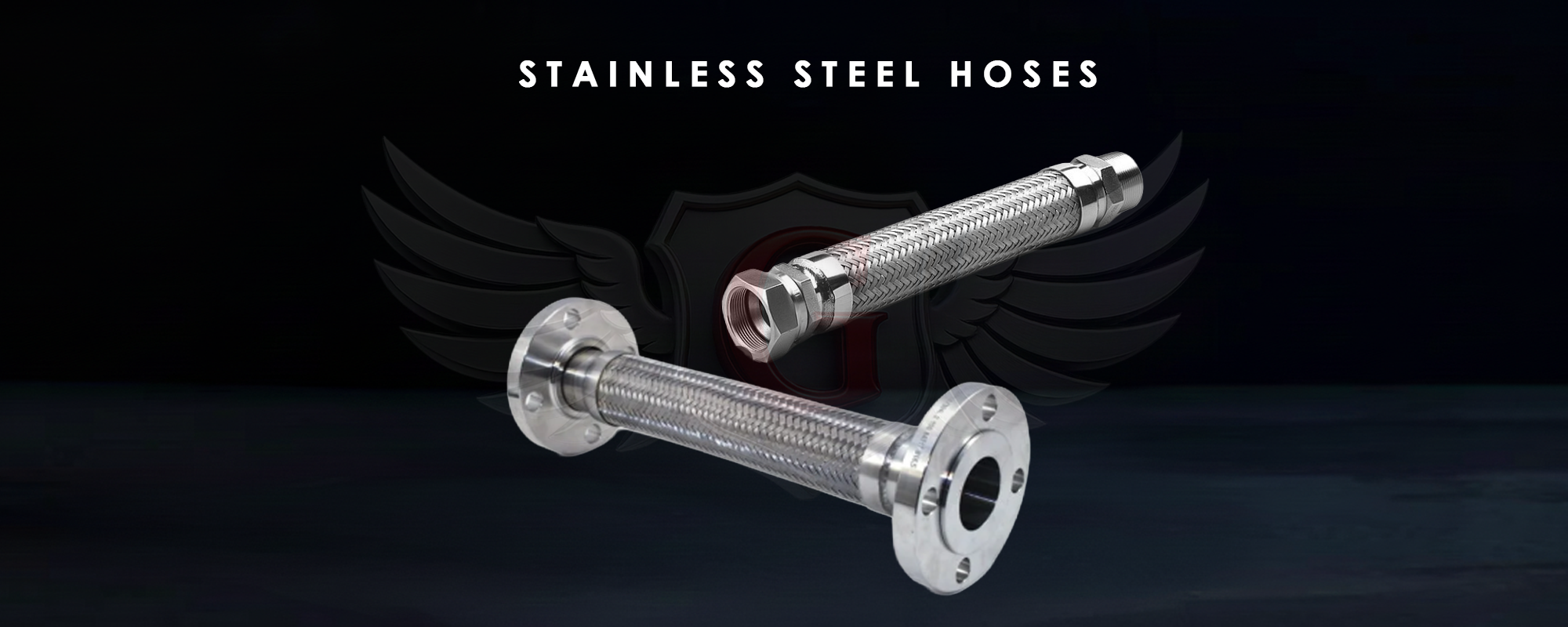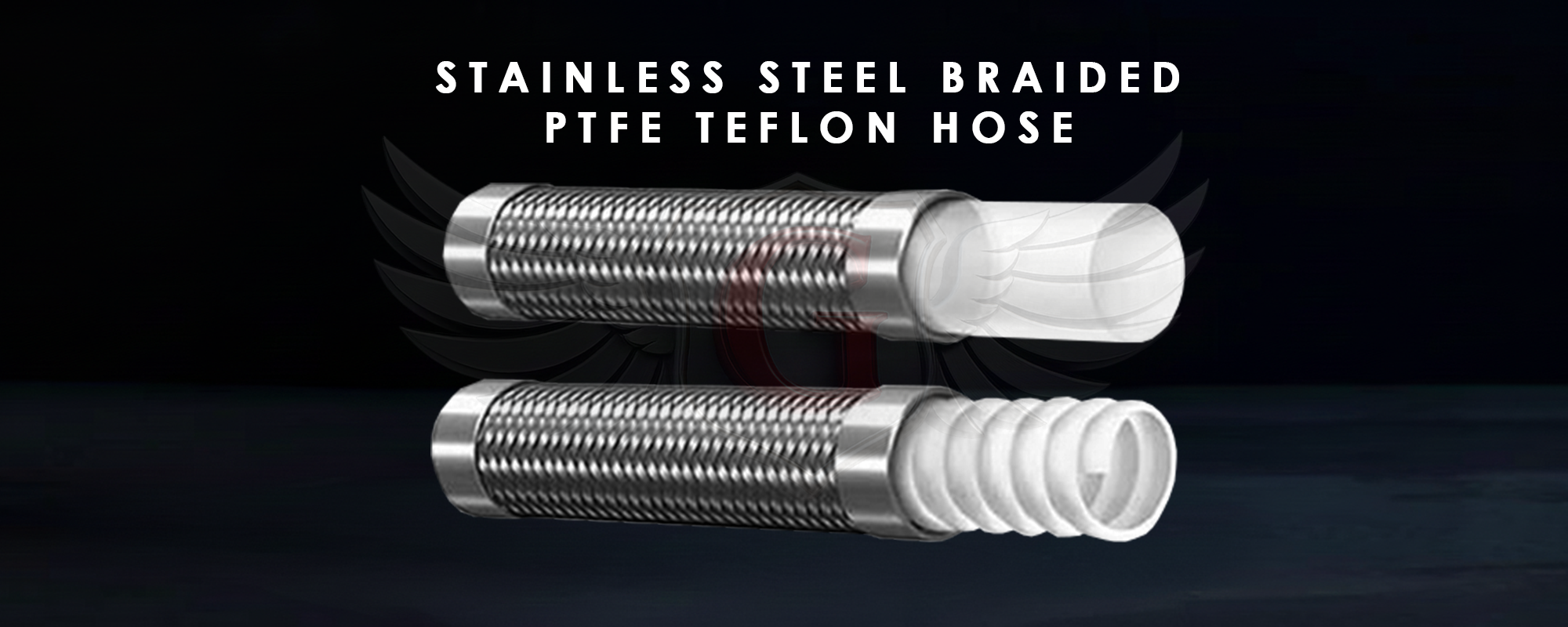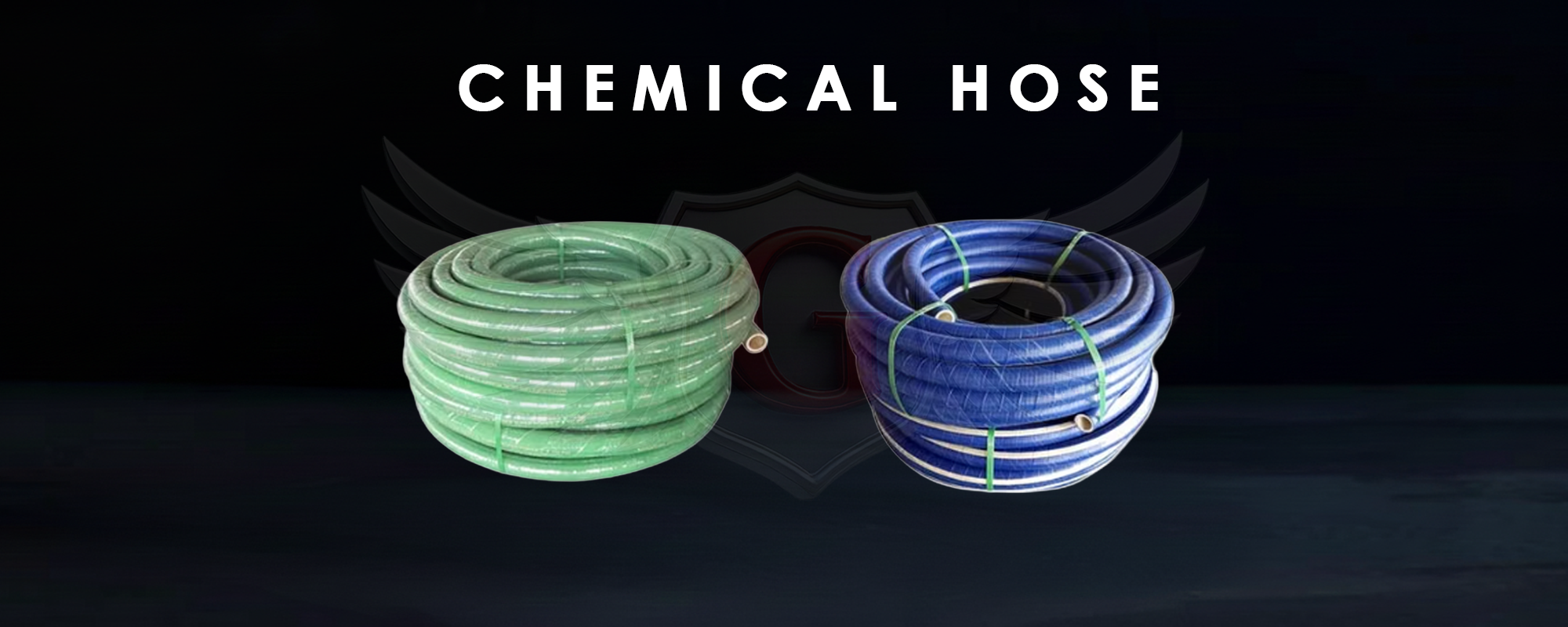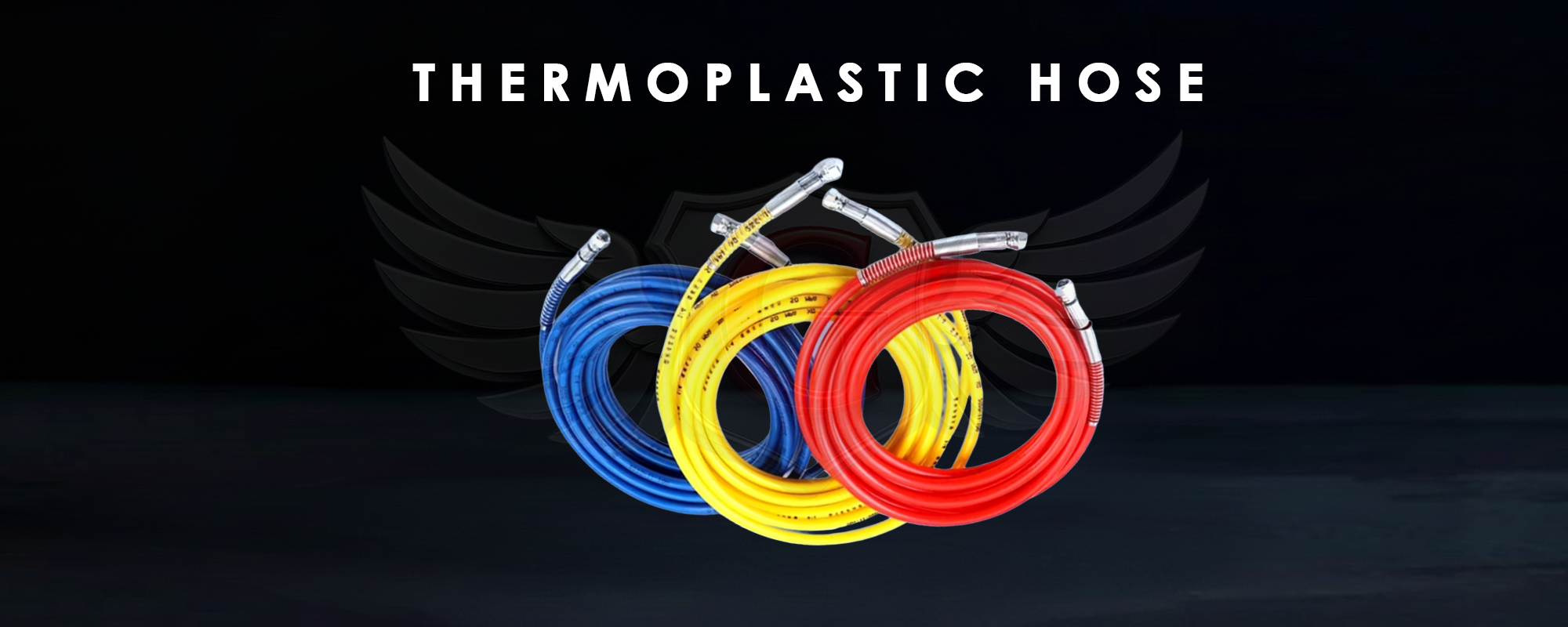


The Stainless Steel Braided PTFE Hose is the ultimate "problem-solver" hose, engineered for the most demanding applications. It combines the **ultimate chemical resistance and high-temperature purity** of a Polytetrafluoroethylene (PTFE) liner with the **high-pressure strength and durability** of a stainless steel braid.
This guide from Glory Engineering Supplies serves as a complete technical reference. It is designed for engineers, chemical plant managers, and pharmaceutical specialists to understand the types, capabilities, and critical applications of this high-performance hose.
The white PTFE liner is virtually inert, able to handle the most aggressive acids, solvents, and chemicals (e.g., caustics, MEK, toluene) that destroy all other hoses.
Our hoses perform flawlessly in extreme conditions, from cryogenic temperatures (-70°C) up to high-temperature steam (+260°C / 500°F).
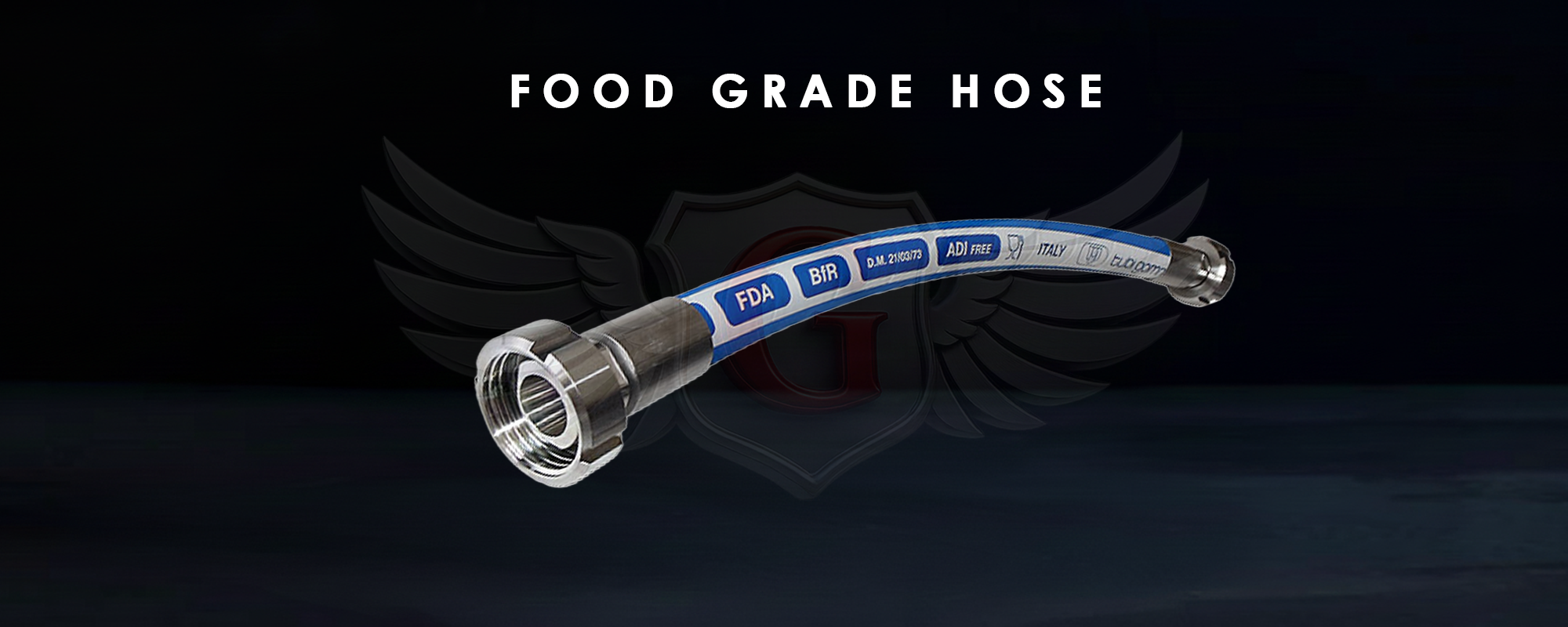
The non-stick (hydrophobic) PTFE liner is FDA compliant and meets USP Class VI, making it perfect for high-purity pharmaceutical and food-grade use.
We provide professionally crimped assemblies with 316L SS fittings (Tri-Clamp, Flange, NPT) for a permanent, safe, and crevice-free seal.
The construction of the inner PTFE tube determines the hose's flexibility and flow rate.
| Hose Type | Construction | Key Characteristics & Common Use |
|---|---|---|
| Smooth Bore PTFE Hose | White, smooth-wall PTFE tube. Stainless steel (304) braid. |
|
| Convoluted PTFE Hose | "Accordion" or "bellows" style convoluted PTFE tube. Stainless steel braid. |
|
| Anti-Static (Black PTFE) | Smooth PTFE tube with an added **carbon liner**, making it black and conductive. |
|
The stainless steel braid provides the pressure rating. Note the difference in pressure handling between Smooth Bore and Convoluted types. (Data for 1-Braid SS Hose at 20°C / 70°F).
| Hose Size (ID) | Smooth Bore (Max WP) | Convoluted (Max WP) |
|---|---|---|
| 1/4" | 3000 PSI | 1500 PSI |
| 1/2" | 2000 PSI | 800 PSI |
| 3/4" | 1500 PSI | 650 PSI |
| 1" | 1000 PSI | 500 PSI |
| 1-1/2" | 800 PSI | 300 PSI |
| 2" | 600 PSI | 250 PSI |
PTFE hoses **cannot** be used with standard clamps. They require specialized fittings that are permanently attached with a crimping machine for a safe, leak-proof seal.

The fitting is designed to lock the PTFE liner against the fitting face, creating a smooth, crevice-free, and high-pressure seal.

The standard for pharmaceutical and food-grade use. We crimp 316L SS Tri-Clamp ends for a fully hygienic assembly.

For large-diameter industrial chemical lines, we crimp stainless steel flanges (RF, FF, Lap-Joint) for a secure, bolted connection.

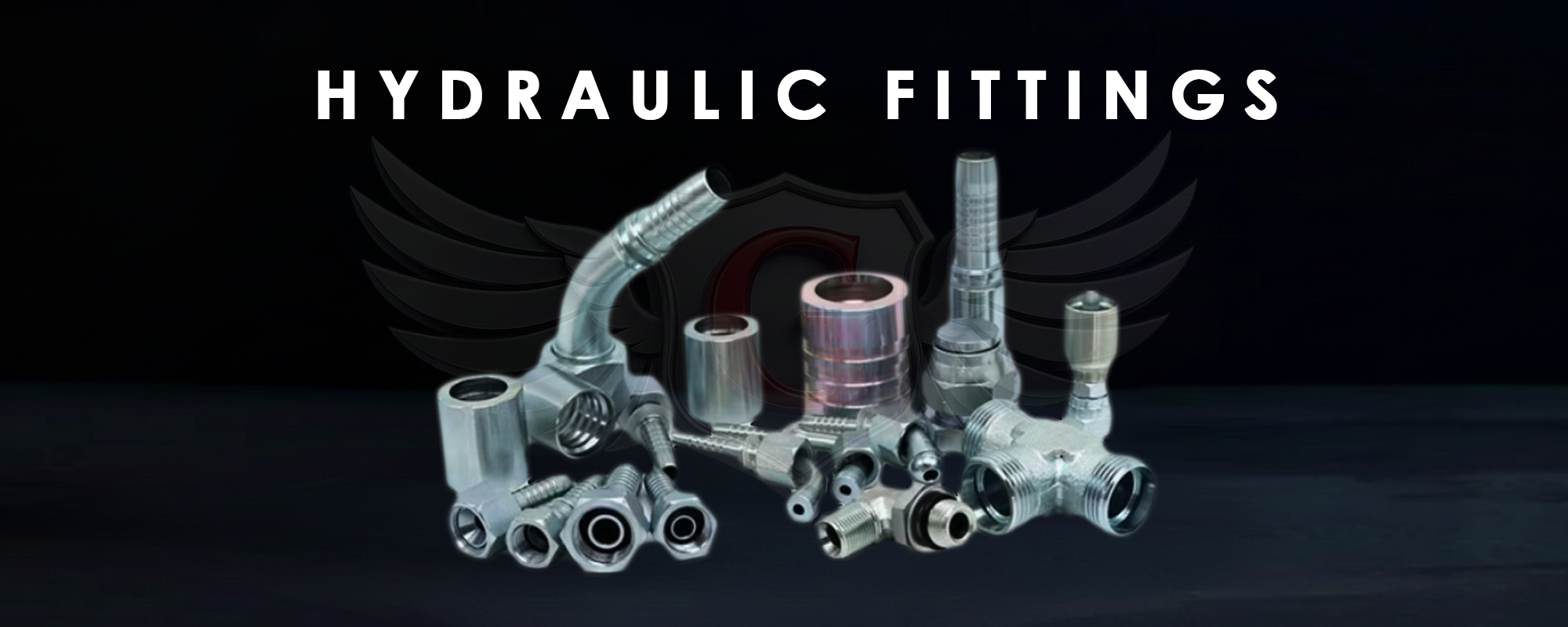
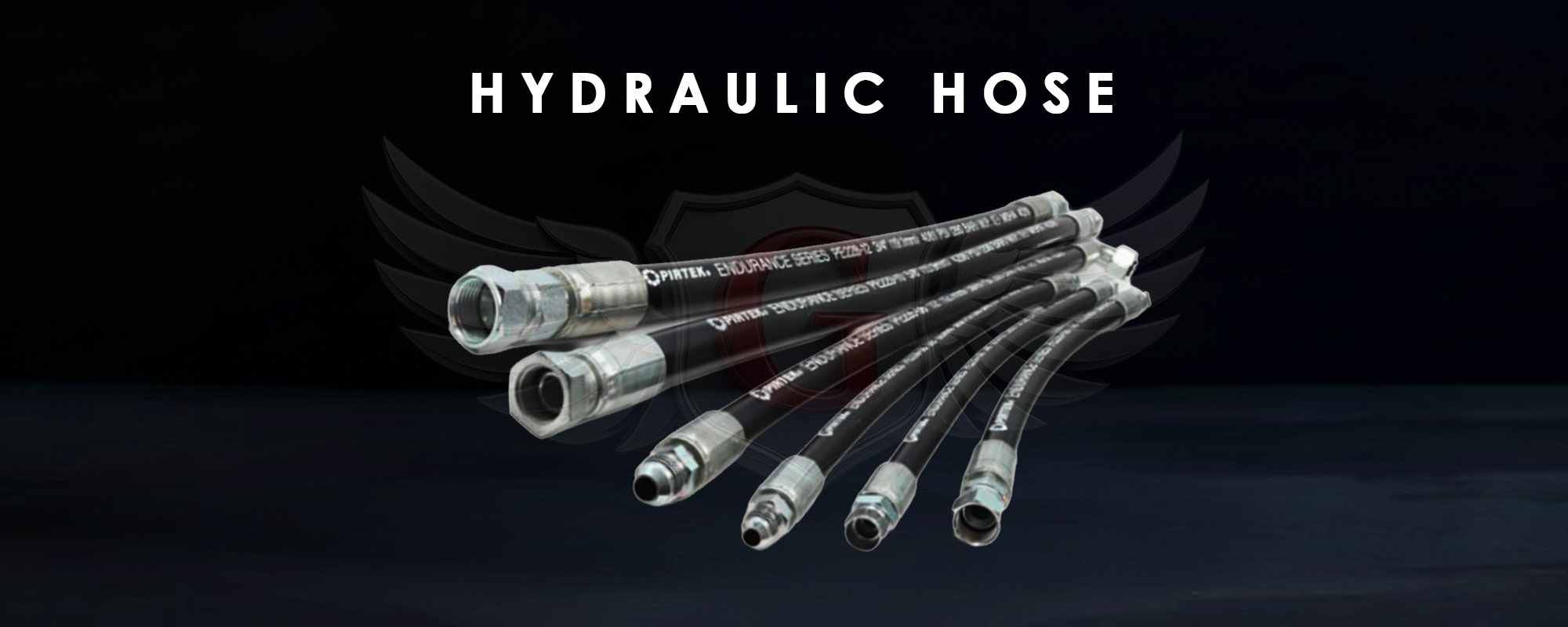
For industrial chemical, steam, or hydraulic use, we crimp a wide variety of threaded fittings (NPT, JIC, BSP) in 316 SS.
PTFE hoses are extremely durable, but they will fail if not handled correctly. Kinking is the #1 cause of failure.
Problem: Bending the hose too tightly (kinking) will permanently damage the white PTFE liner, creating a weak spot that will crack and leak under pressure or heat.
This is the #1 cause of failure.
Solution: Always check the hose's "Minimum Bend Radius" specification. Use a longer hose or 90-degree fittings to make turns without kinking the hose.
Problem: Twisting the hose (torsion) while tightening the fittings will damage the braid and can cause the PTFE liner to split, leading to a catastrophic failure.
Problem: Standard "worm-gear" or "T-bolt" clamps **will not work** on a PTFE hose. The hose will leak or blow out. It requires a permanent, specialized crimp fitting.
PTFE (Polytetrafluoroethylene), known by the brand name Teflon®, is a fluoropolymer. It is famous for being one of the most chemically inert substances known, as well as having a very high temperature range and a non-stick surface.
The temperature range is one of its key features. A typical SS braided PTFE hose is rated for continuous service from **-73°C up to +260°C (-100°F to +500°F)**.
It's a trade-off:
This is a critical safety feature. When a non-conductive fluid (like a solvent) flows quickly, it can build up static electricity and create a spark. **Anti-Static** (black) PTFE has a carbon liner that makes the hose conductive, allowing the static charge to drain safely to the end fittings, preventing a fire or explosion.
When rubber, silicone, and PVC won't work, a PTFE hose is the answer. Contact the Glory team today to build a custom-crimped assembly for your most demanding chemical, pharma, or high-temp application.
Request a Quote Now