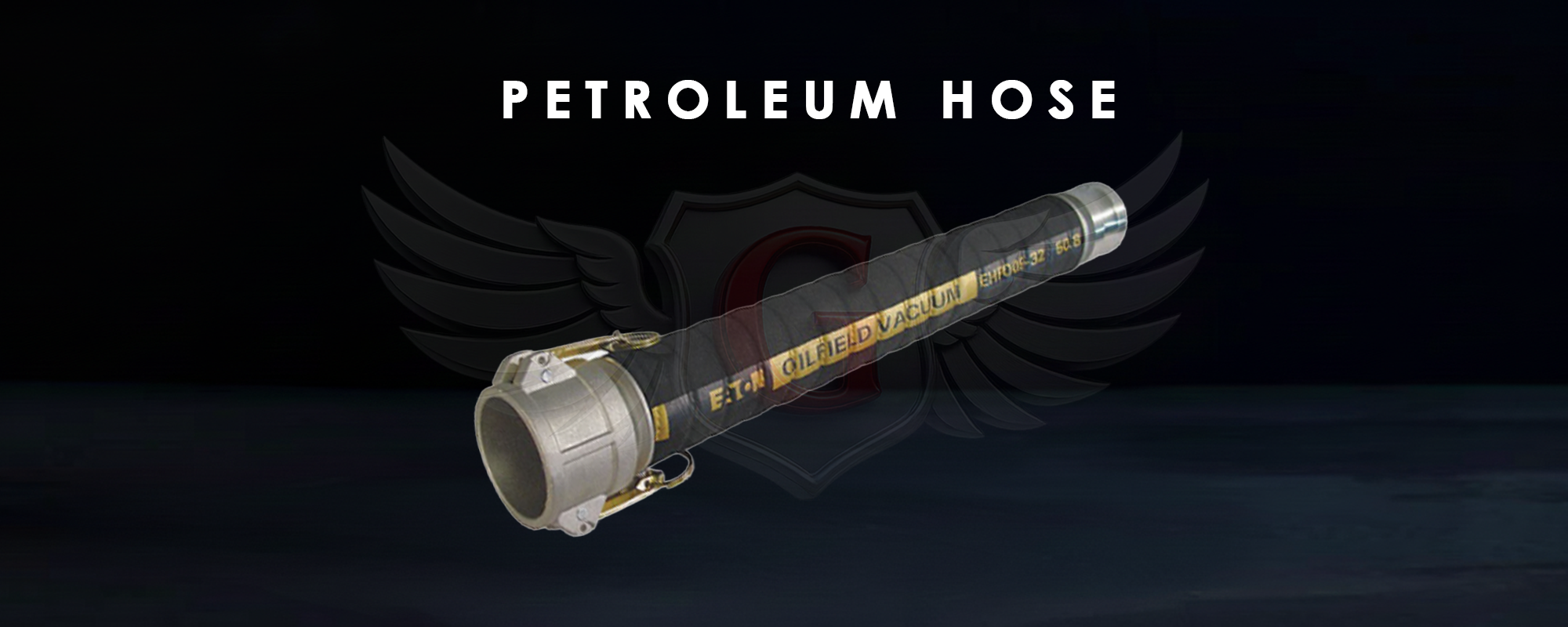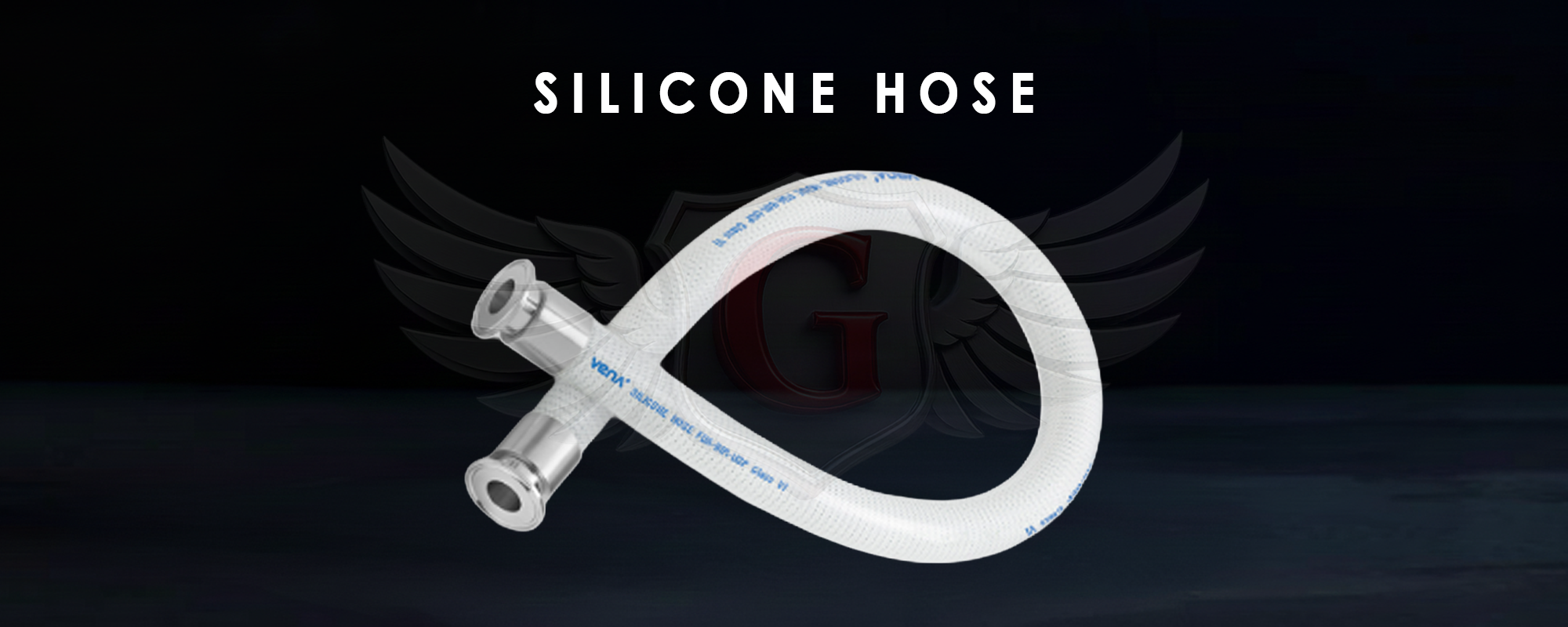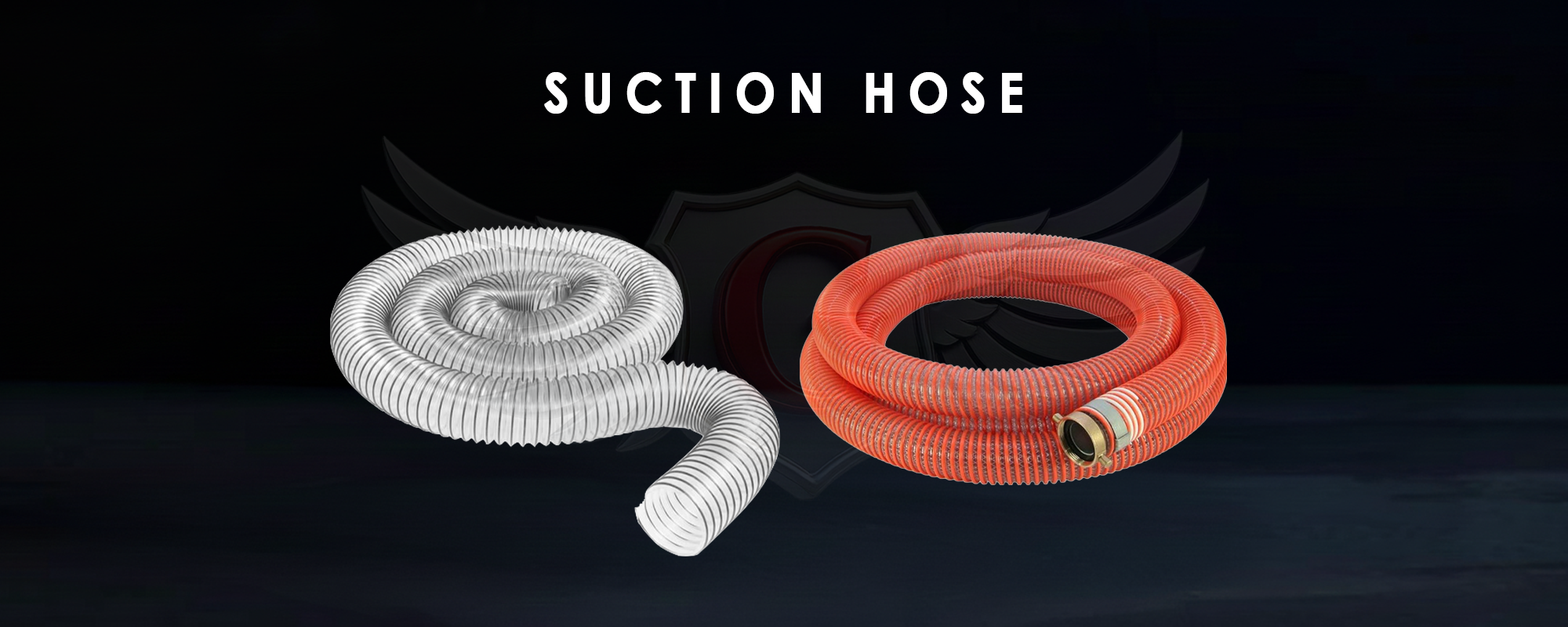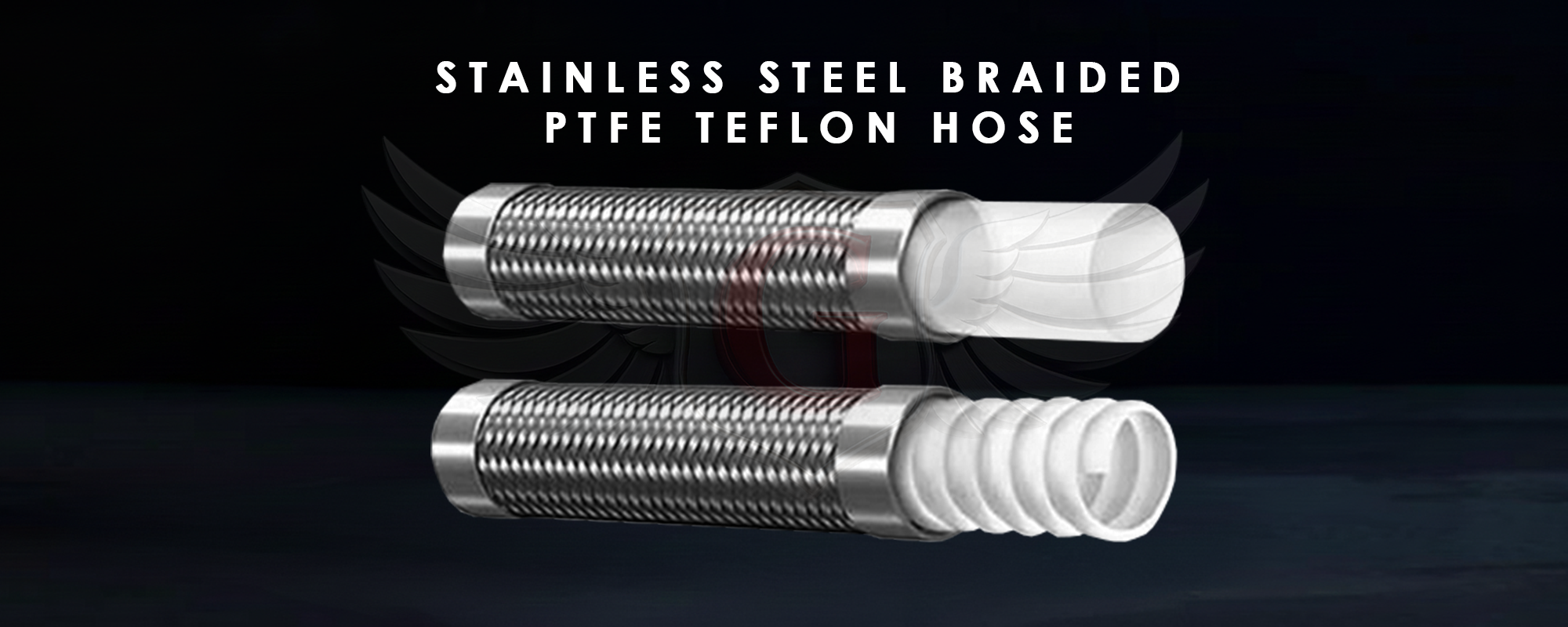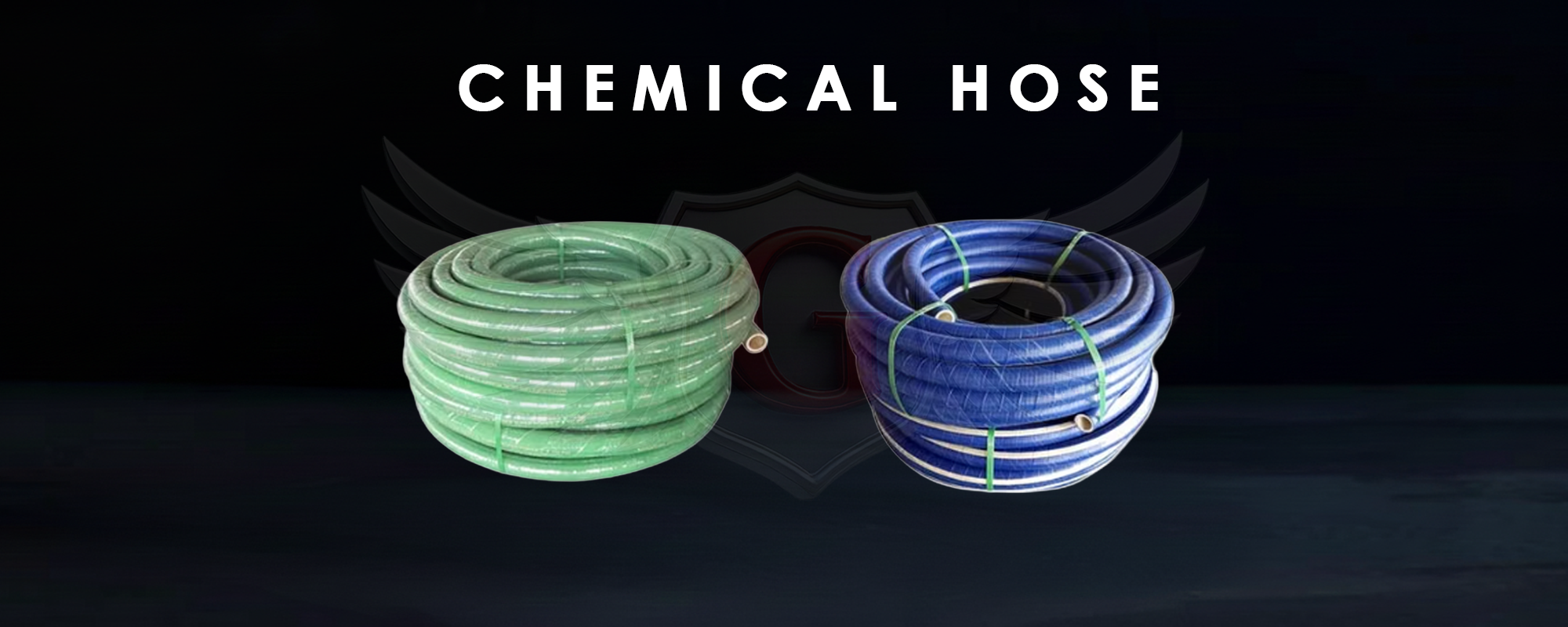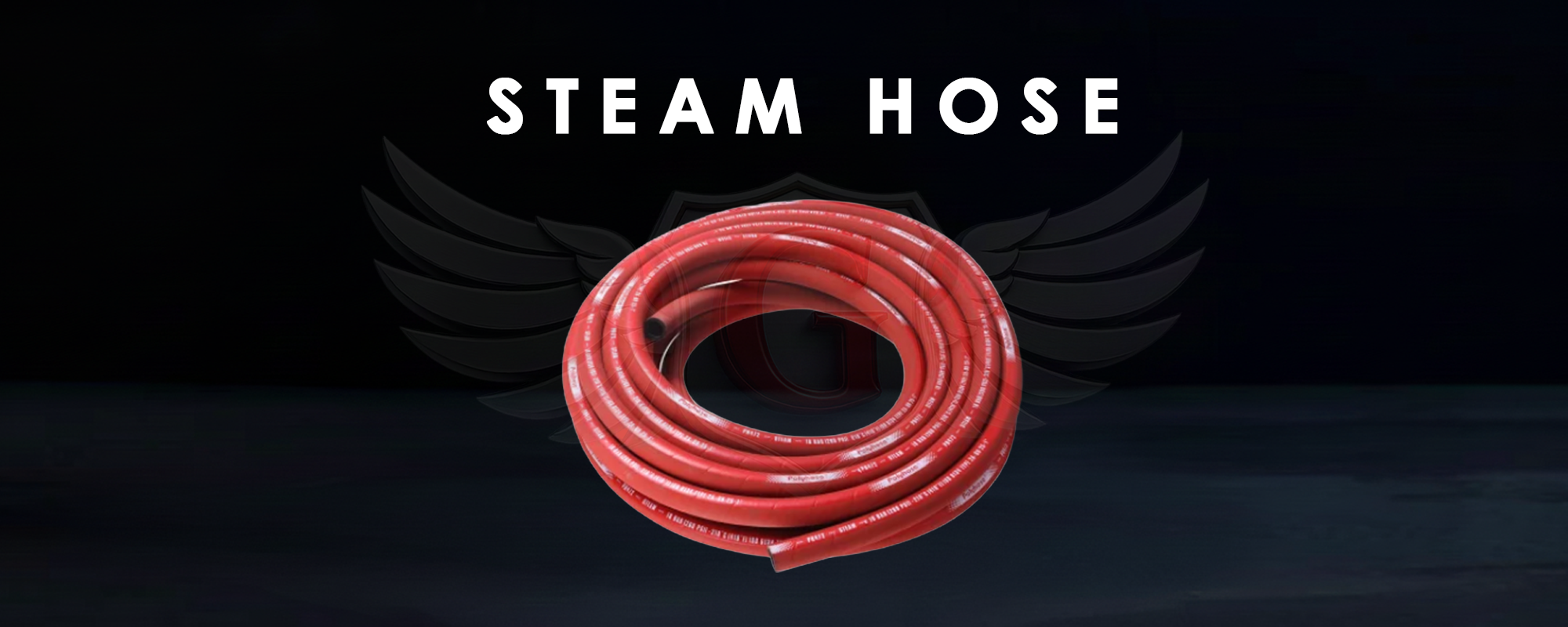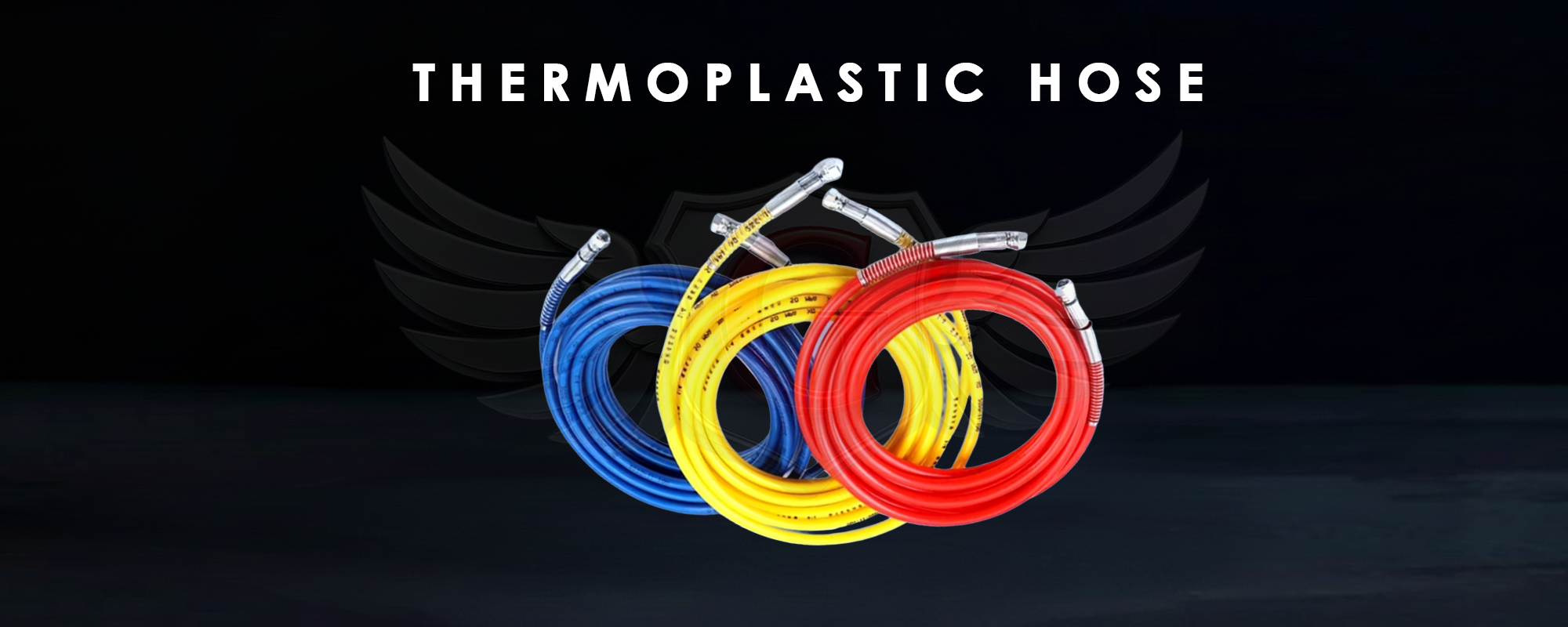


A "Chemical Hose" is one of the most critical safety components in any industrial plant. Unlike a water or air hose, a chemical hose must be precisely selected to handle a specific fluid. **There is no single "one-size-fits-all" chemical hose.** Choosing the wrong hose liner can lead to hose failure, dangerous leaks, environmental damage, and worker injury.
This guide from Glory Engineering Supplies is a technical reference to help you understand the different hose liners (UHMWPE, PTFE, EPDM, NBR) and select the safest, most compatible hose for your acid, solvent, or specialty chemical.
We don't just sell hoses; we provide solutions. Our team will help you cross-reference your chemical, temperature, and pressure to select the correct liner.
We provide professionally crimped assemblies using 316L Stainless Steel fittings. Our hoses are anti-static and meet EN/ISO standards for safety.
We stock hoses for 98% of common chemicals (UHMWPE), the most aggressive corrosives (PTFE), strong acids (EPDM), and solvents (NBR).
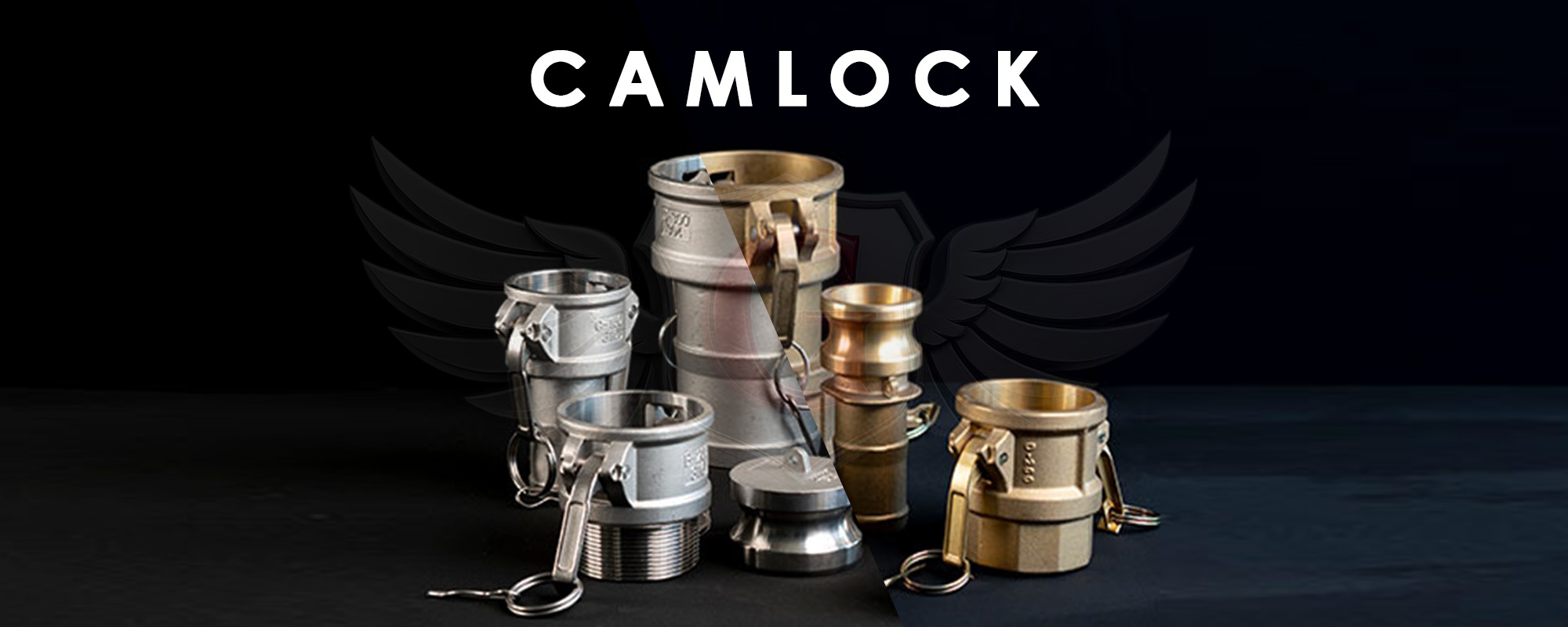
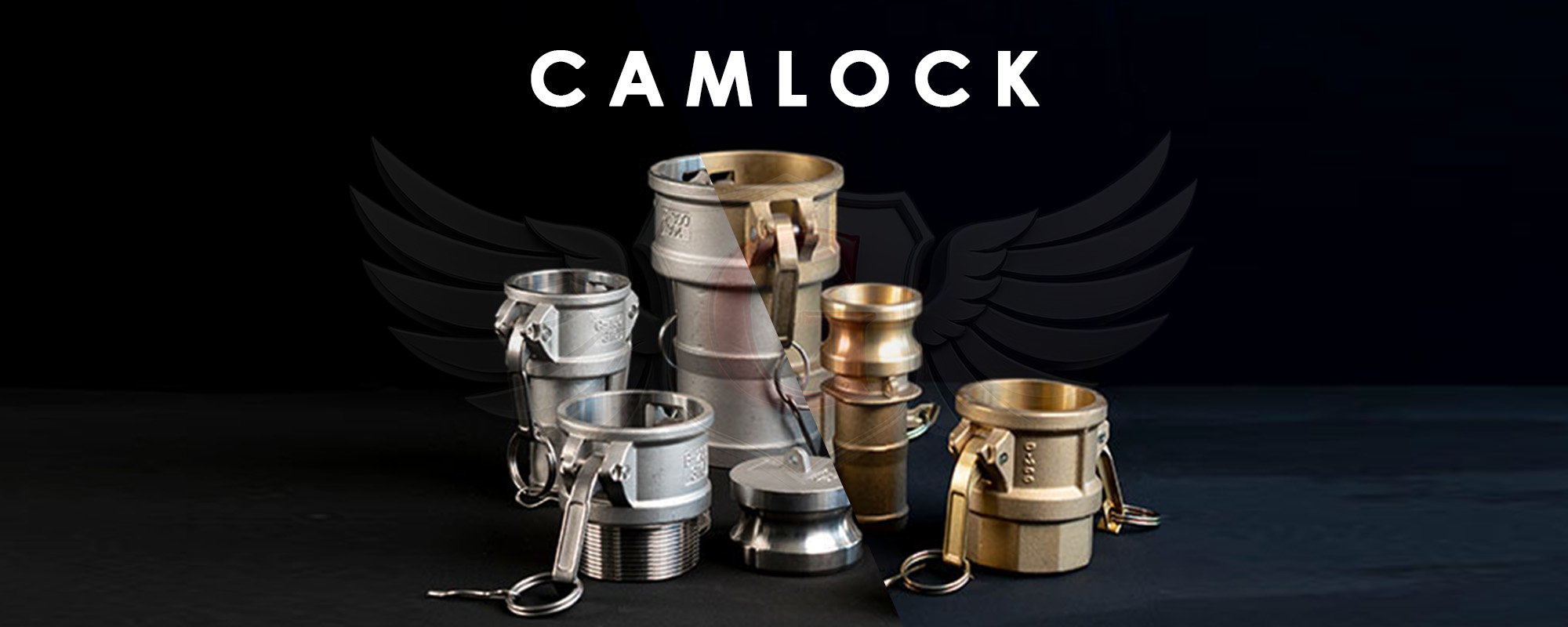
All our chemical hose fittings are 316L Stainless Steel (Camlocks, Flanges, NPT) for maximum corrosion resistance and product purity.
The inner liner (tube) is the only part that matters for chemical compatibility. The outer cover is for abrasion resistance, and the braid/helix is for pressure/vacuum.
| Hose Liner | Construction | Key Characteristics & Common Use |
|---|---|---|
| UHMWPE (The Universal Choice) | Ultra High Molecular Weight Polyethylene. Very smooth, white, FDA-compliant. |
|
| PTFE (The Ultimate Solution) | Polytetrafluoroethylene (Teflon). Often has SS Braid. |
|
| EPDM (Acid Specialist) | Synthetic Rubber (Ethylene Propylene Diene Monomer). |
|
| NBR (Oil & Fuel Specialist) | Nitrile Rubber (Nitrile Butadiene Rubber). |
|
This chart shows typical Pressure & Vacuum ratings for a heavy-duty, wire-helix Suction & Discharge (S&D) chemical hose.
| Hose Size (ID) | Working Pressure | Vacuum Rating |
|---|---|---|
| 1" | 250 PSI | |
| 1-1/2" | 250 PSI | |
| 2" | 250 PSI | |
| 3" | 200 PSI | |
| 4" | 200 PSI |
Fittings for chemical service must be made of highly corrosion-resistant material, with **316L Stainless Steel** being the industry standard.
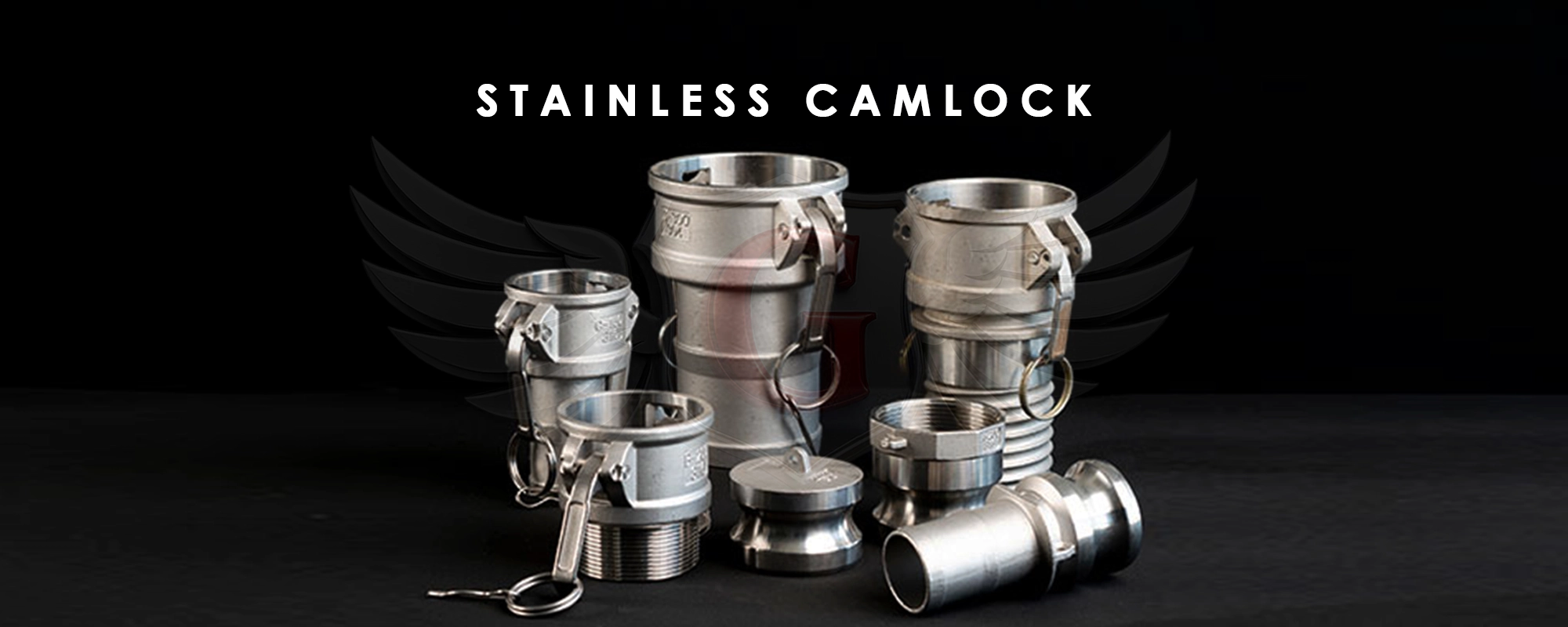
The standard for quick, secure transfer of chemicals between tanks, trucks, and totes. Must be 316 SS for compatibility.

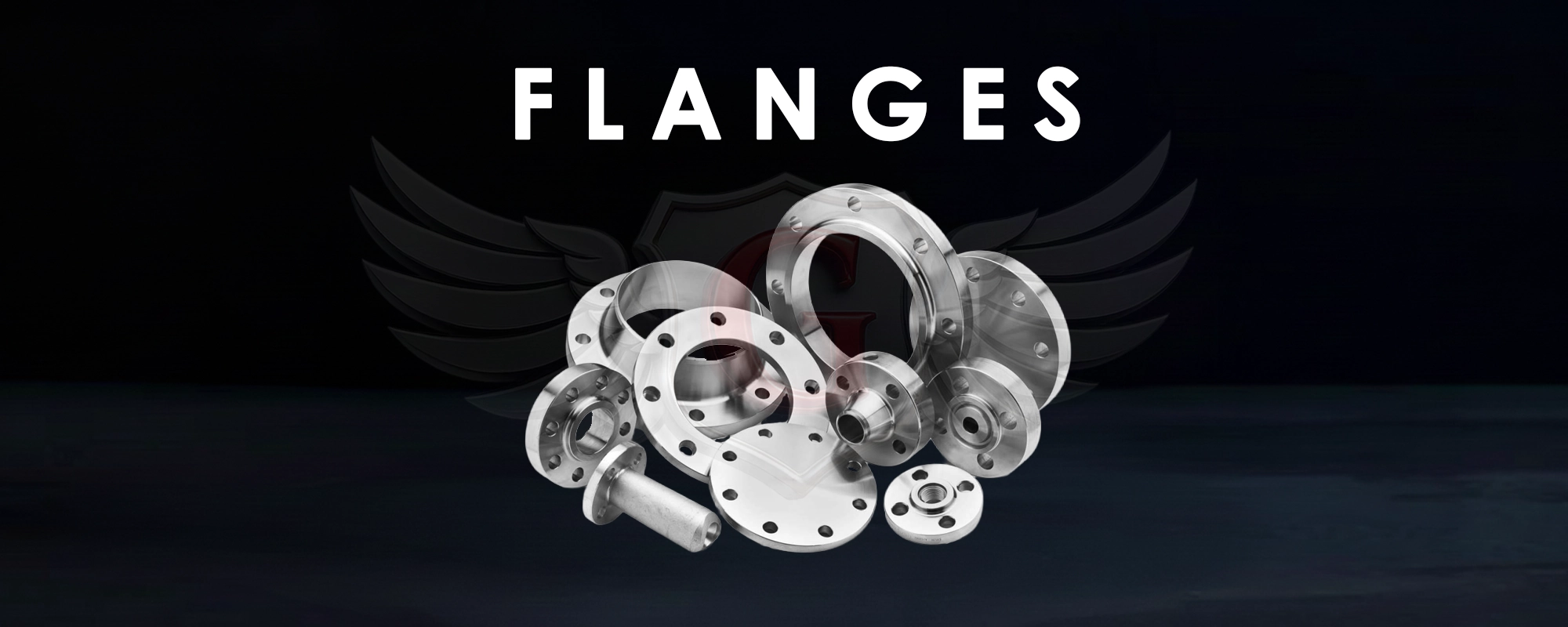
Used for large-diameter, high-pressure, or permanent plant piping connections. Provides a secure, bolted, gasketed seal.

Crimped NPT or BSP threaded ends (male or female) for secure, permanent connections to pumps, valves, and manifolds.

Chemical hoses are **crimped** for safety. Clamps are not recommended as they can leak. We provide professionally crimped assemblies.
Improper use of a chemical hose can be catastrophic. Always prioritize safety.
Problem: Using the wrong liner (e.g., EPDM for oil, NBR for acid) will cause the hose to swell, crack, and fail rapidly, leading to a dangerous spill.
This is the #1 rule.
Solution: Always verify the **Chemical**, **Temperature**, and **Concentration**. (e.g., 98% Sulfuric Acid at 80°C is very different from 50% at 20°C). Consult our team.
Solution: When transferring flammable solvents (Toluene, Acetone, etc.), use an **Anti-Static** hose and ensure the hose, fittings, and tanks are all properly grounded to prevent a static spark.
Solution: Before every use, check for cracks, blisters, soft spots, or discoloration in the hose. If found, remove it from service immediately.
UHMWPE (Ultra High Molecular Weight Polyethylene) is a high-purity, food-grade plastic. It has become the "universal" chemical hose liner because it is **cost-effective** and has a very broad resistance to **both acids and solvents**, covering about 98% of common industrial chemicals. It is also very smooth, making it easy to clean.
You upgrade to PTFE (Teflon) when you exceed the limits of UHMWPE. This usually happens for two reasons:
Any time you are transferring a **non-conductive, flammable fluid** (e.g., Toluene, MEK, Acetone, Gasoline). The flow of the fluid can build up a static charge, which can cause a spark and explosion. An anti-static hose has a wire that must be grounded to drain this charge safely.
Standard 304 SS is not resistant to many chemicals, especially chlorides. **316L Stainless Steel** contains molybdenum, which gives it superior corrosion resistance to a much wider range of acids and chemicals, ensuring your fittings last and do not contaminate the product.
Safety is not optional. Don't guess which hose is "good enough." Contact the Glory team with your specific chemical, temperature, and application details, and we will provide a safe, certified assembly.
Request a Quote Now