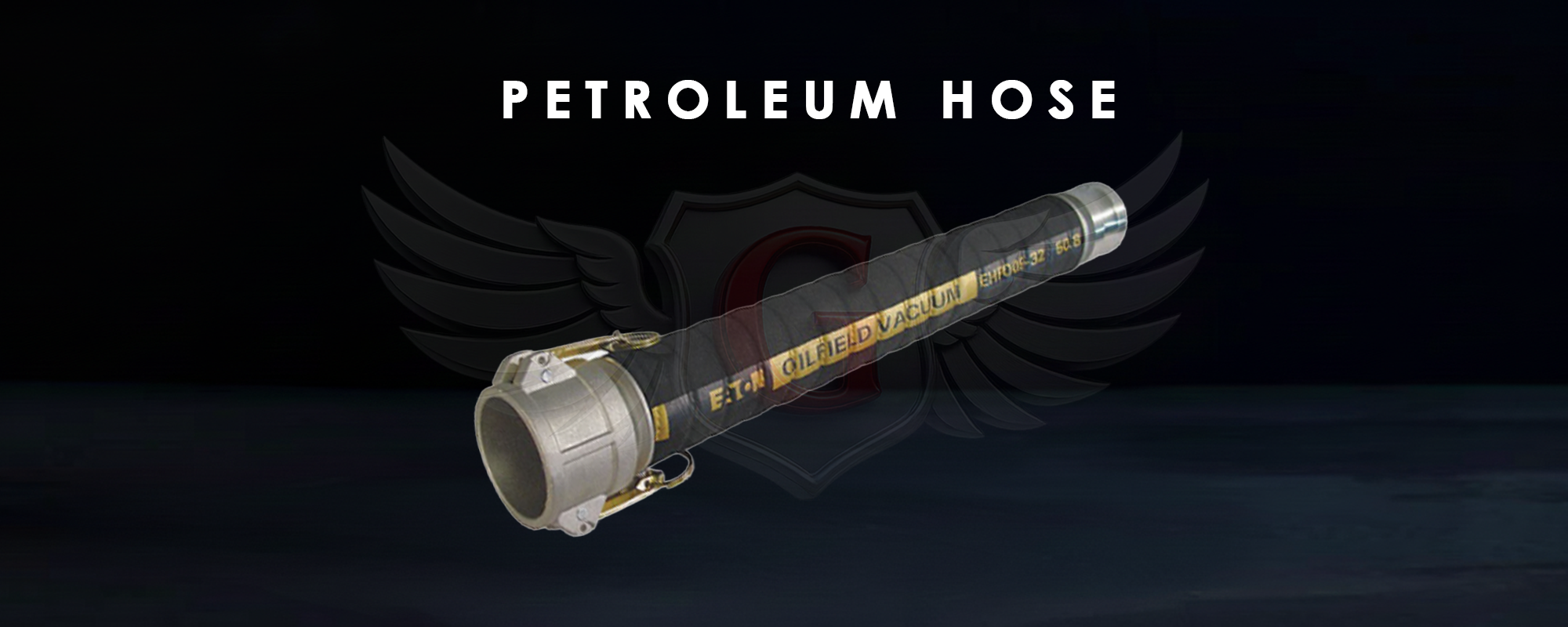


Petroleum hoses are specialized for the safe transfer of volatile, flammable, and combustible liquids. These are not just tubes, but highly engineered safety components. They are built to resist chemical attack from petroleum products, prevent leaks, and, most critically, **dissipate static electricity** to prevent sparks and fire.
This guide from Glory Engineering Supplies serves as a complete technical reference. It is designed for engineers, safety managers, and operators to understand the critical materials (NBR), safety features (Anti-Static), and standards (EN/API) required to select the correct hose for any petroleum application.
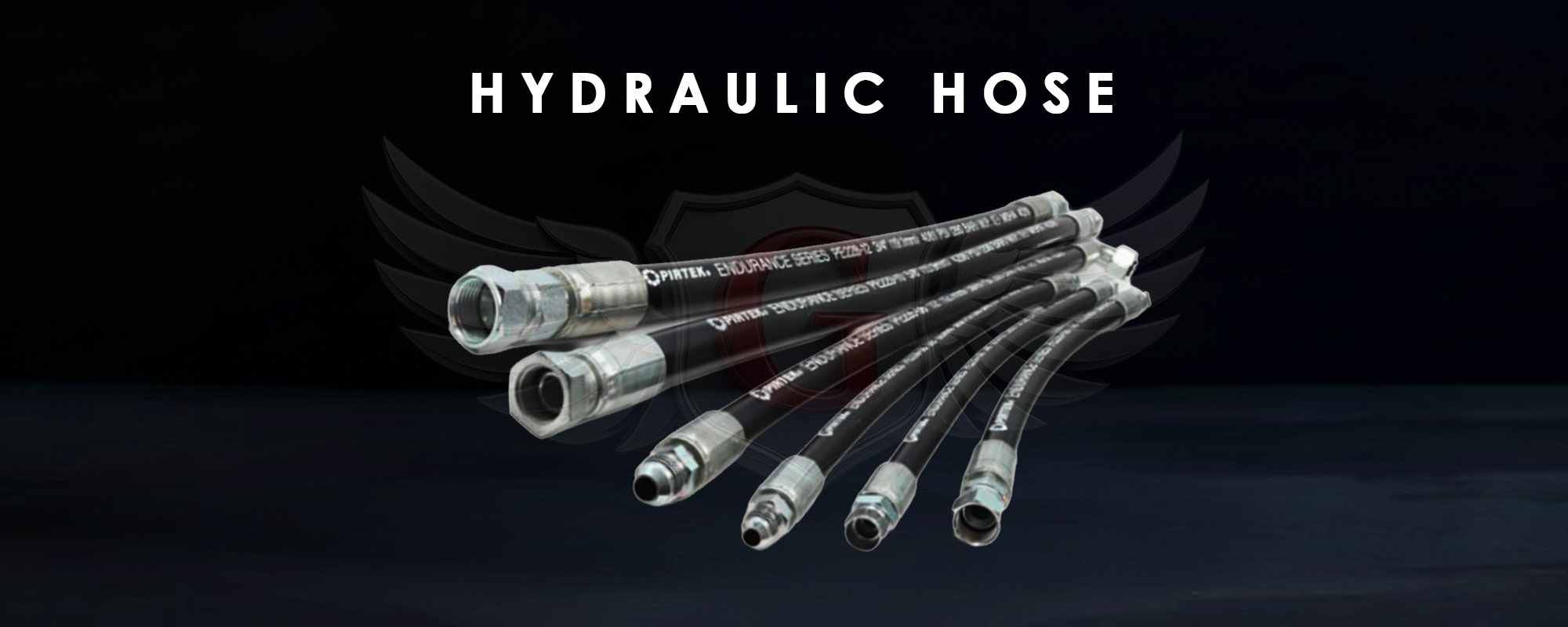
Our hoses meet or exceed EN & API standards. They feature **anti-static (AS)** wires to safely discharge static electricity, a critical feature for fuel transfer.
The inner tube is made from Nitrile (NBR) rubber, which is specifically formulated to resist gasoline, diesel, kerosene, and aromatic hydrocarbons that destroy other materials.
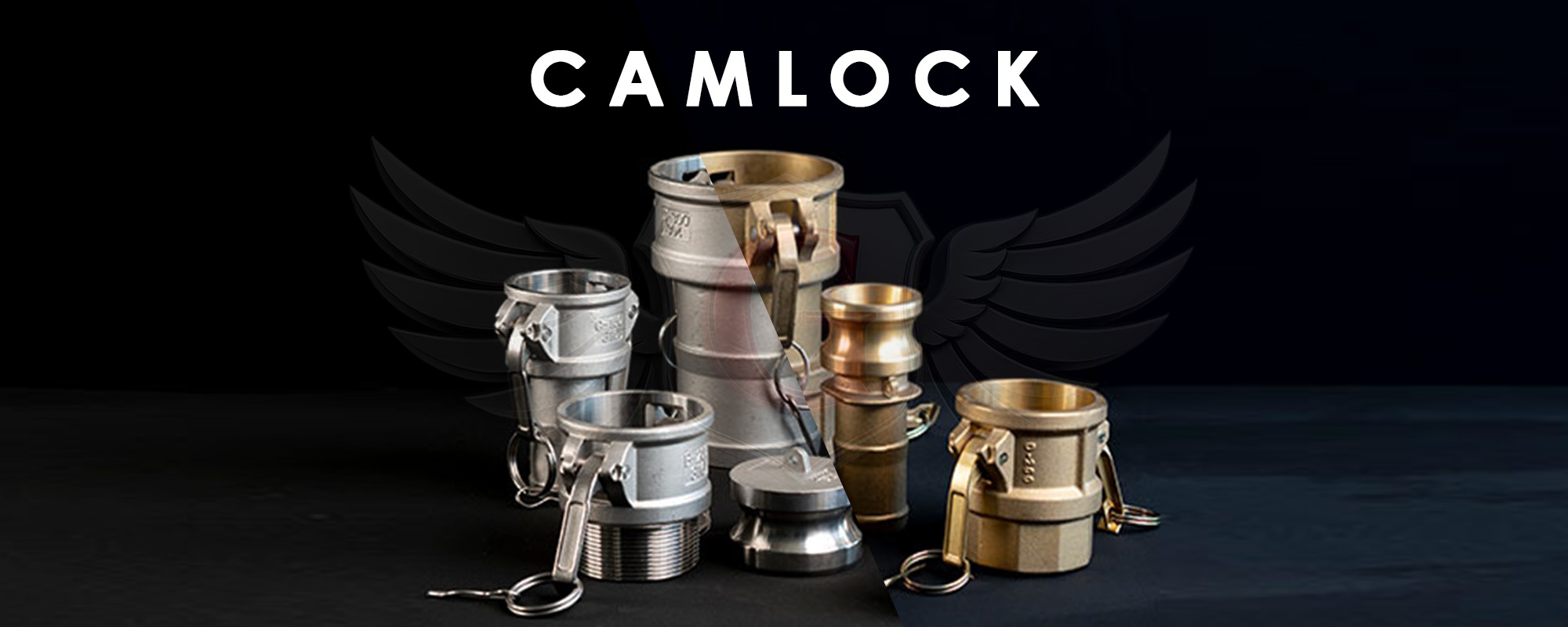
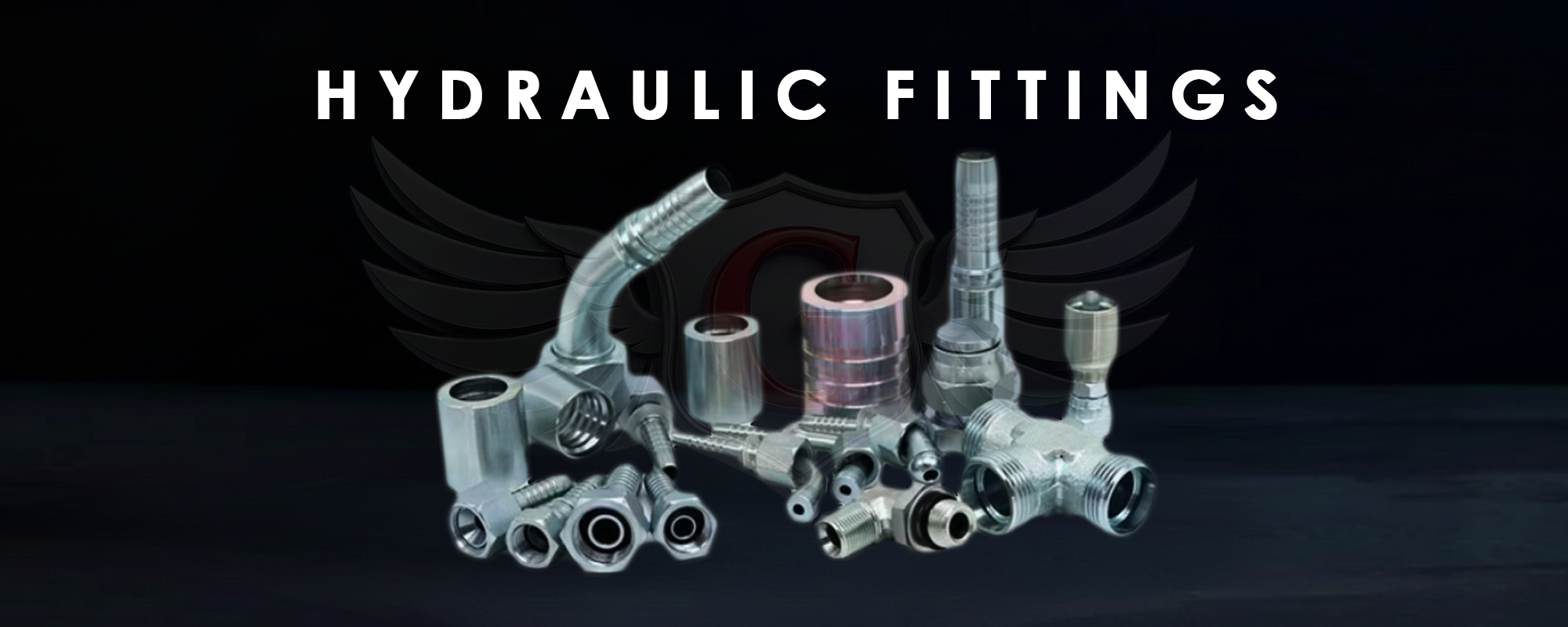
We provide professionally crimped or swaged assemblies with NPT, Camlock, or Flange fittings, ensuring a leak-proof, permanent, and safely bonded connection.
We understand the risks. Our team will help you select the exact hose, pressure rating, and fitting combination for your specific fuel or oil application.
The hose's construction dictates its application, from a gas pump to a bulk-loading tanker.
| Hose Type | Construction | Key Characteristics & Common Use |
|---|---|---|
| Fuel Dispensing Hose (EN 1360) | Smooth NBR tube, textile braid, built-in anti-static wire, ozone & abrasion-resistant cover. |
|
| Tank Truck Hose (S&D) (EN 1761) | Smooth NBR tube, textile plies, **steel wire helix**, anti-static wires, corrugated cover. |
|
| Oil Discharge Hose (Heavy Duty) | NBR tube, high-tensile textile plies, anti-static wires, smooth heavy-duty cover. |
|
| Hot Tar & Asphalt Hose | High-temp rubber tube, wire reinforcement, heat-resistant cover. |
|
This chart shows the typical Maximum Working Pressure (MWP) for petroleum hoses at 20°C (70°F). Pressure ratings are lower for S&D hoses compared to discharge-only hoses.
| Hose Size (ID) | Fuel Dispensing Hose | Tank Truck (S&D) | Heavy Duty Discharge |
|---|---|---|---|
| 3/4" (19mm) | 150 PSI | 250 PSI | 500 PSI |
| 1" (25mm) | 150 PSI | 250 PSI | 500 PSI |
| 1-1/2" (38mm) | N/A | 250 PSI | 400 PSI |
| 2" (51mm) | N/A | 250 PSI | 400 PSI |
| 3" (76mm) | N/A | 150 PSI | 300 PSI |
| 4" (102mm) | N/A | 150 PSI | 300 PSI |
Fittings must be made of compatible, spark-resistant materials (like brass or aluminum) and must be *bonded* to the hose's anti-static wire.
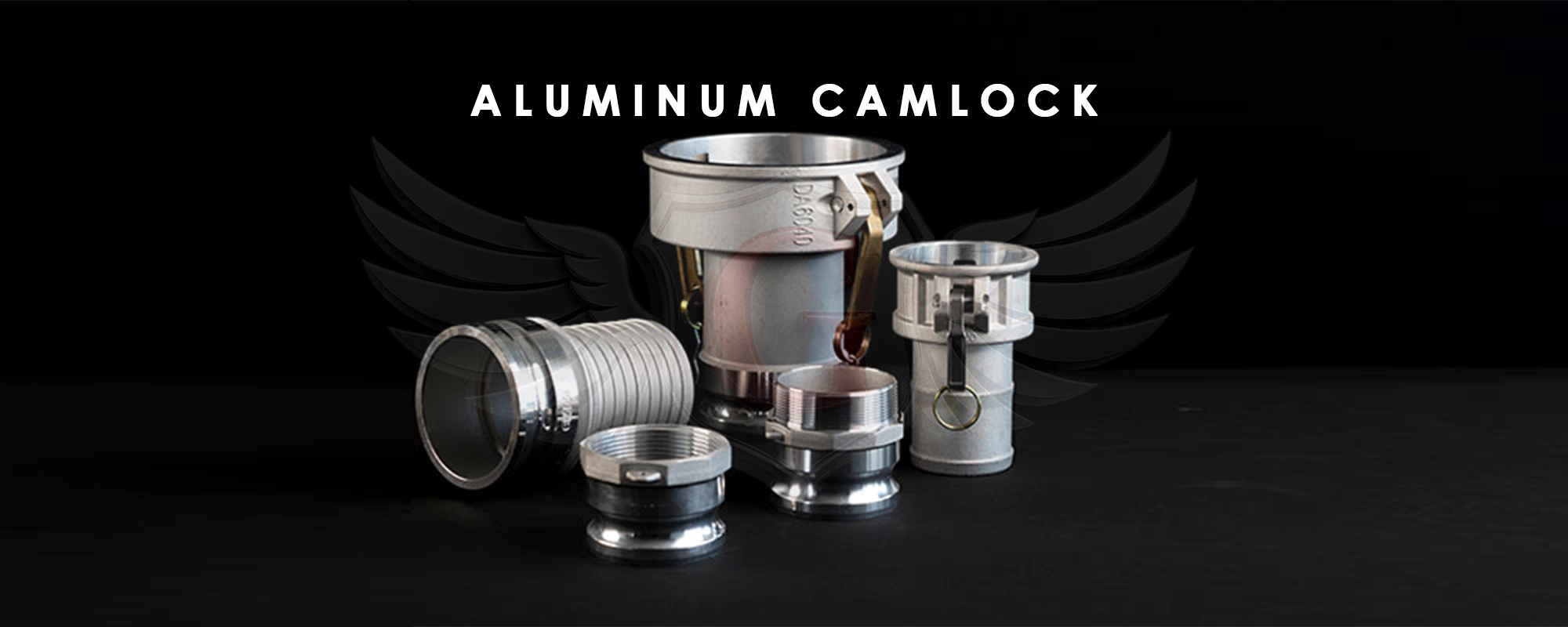
The standard for tank truck quick connection. Aluminum or Brass are preferred for spark resistance. Must be properly bonded.

Crimped or swaged threaded ends (male or female) for secure, permanent connections to pumps, meters, and nozzles.

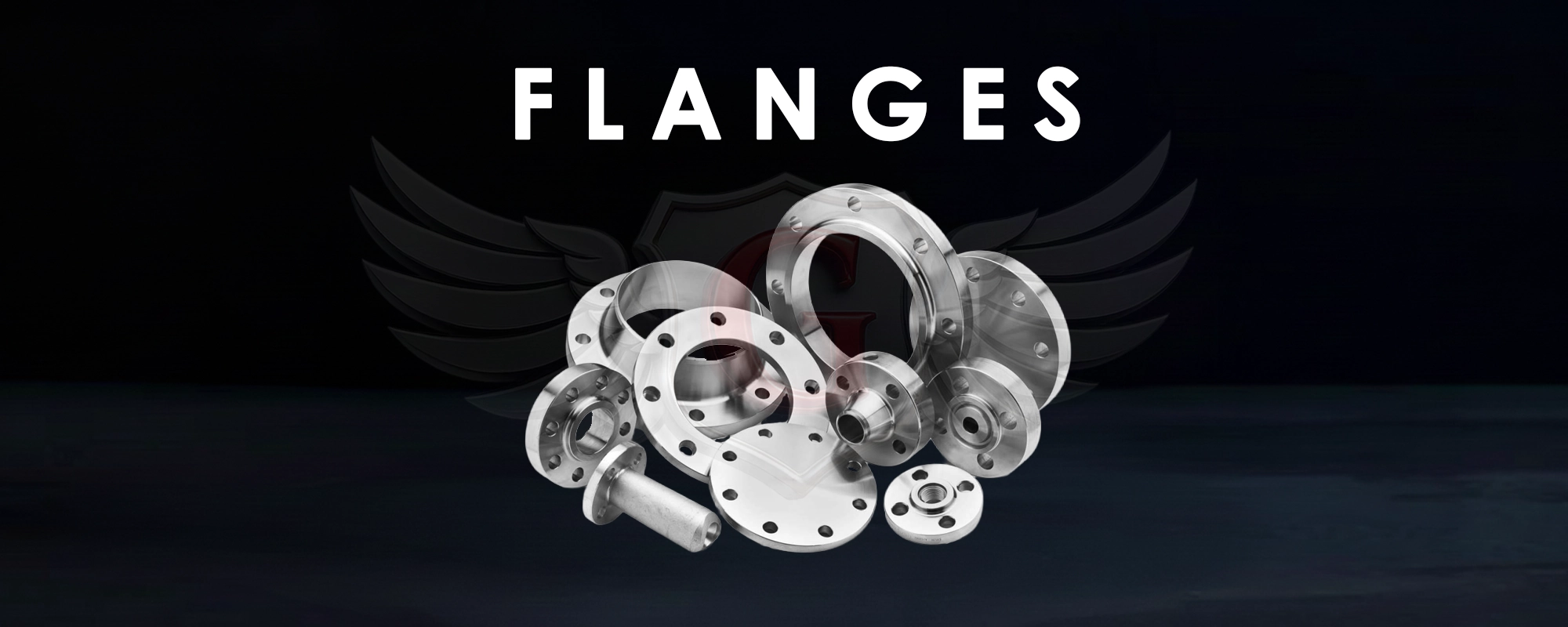
Used for large-diameter (3" and up) hoses in bulk transfer, marine bunkering, and depot applications for a secure, bolted connection.

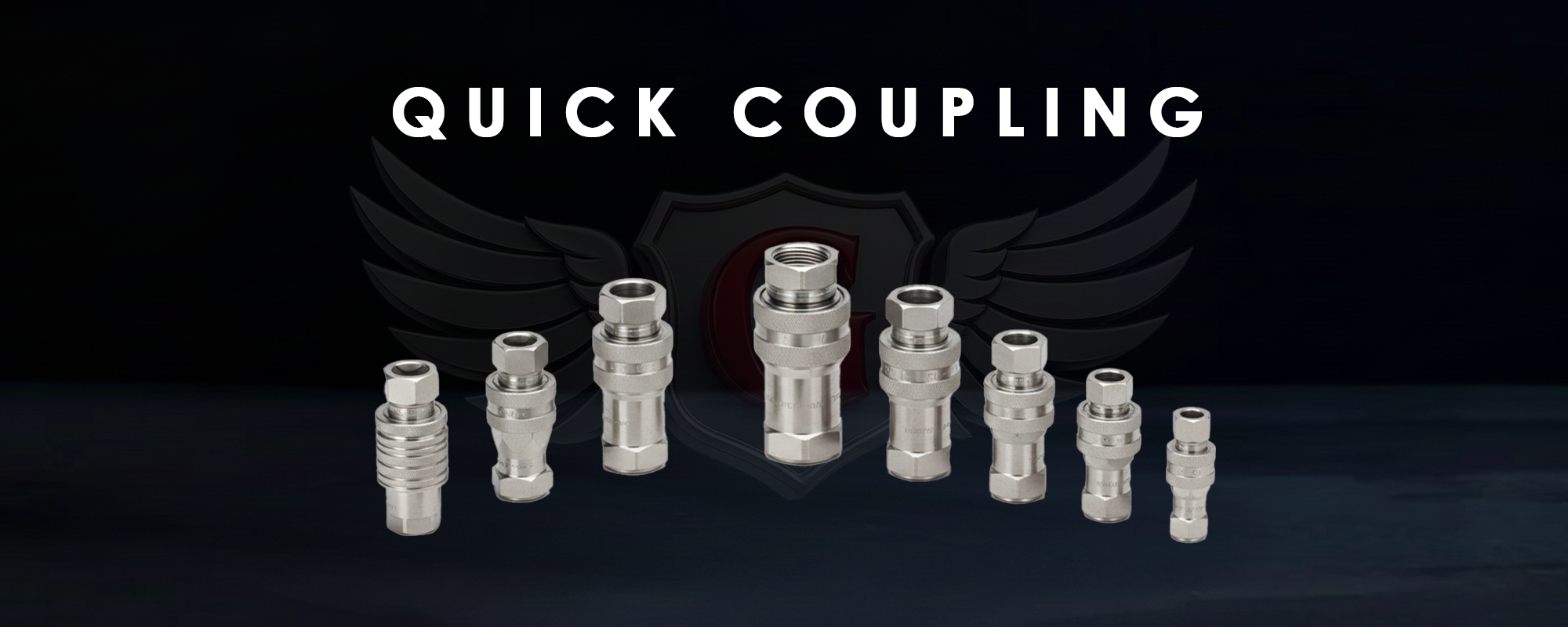
Specialized fittings with automatic shut-offs used on fuel dispensing hoses for retail and fleet refueling.
Improper installation or use can lead to spills, fire, and environmental damage. Safety is the top priority.
Solution: This is the most critical safety rule. The hose's anti-static wires **MUST** be electrically bonded to the metal end fittings. This allows static charge to safely ground, preventing a spark.
Problem: Never use a standard petroleum hose for aggressive chemicals, acids, or solvents. Never use a water hose for fuel. The wrong fluid will rapidly destroy the hose tube, causing a failure.
Problem: Kinking a suction hose will damage the internal helix wire. Twisting any hose during install will fatigue the reinforcement and cause a premature burst or leak at the fitting.
Solution: Always provide a smooth, gentle curve. Bending the hose too sharply creates a weak point that will fail under pressure or suction.
As fuel (a non-conductive fluid) flows quickly through a hose, it generates static electricity, just like rubbing a balloon on your hair. This charge can build up and create a dangerous spark. An **Anti-Static** hose has a built-in copper wire that is "bonded" to the end fittings, allowing this charge to safely drain to a grounding point, preventing a fire or explosion.
NBR (Nitrile Butadiene Rubber) is a synthetic rubber with excellent resistance to petroleum products. Gasoline and diesel contain "aromatic hydrocarbons" that will cause standard rubbers (like EPDM or natural rubber) to swell, crack, and fail. NBR is specifically designed to handle these fluids without degrading.
Be careful. High concentrations of biofuels (like E85) can be more aggressive than standard gasoline and may require a special-grade hose. **AdBlue (DEF)** is NOT petroleum and is highly corrosive to many metals. It will destroy a petroleum hose and must be transferred with a specific EPDM or composite hose.
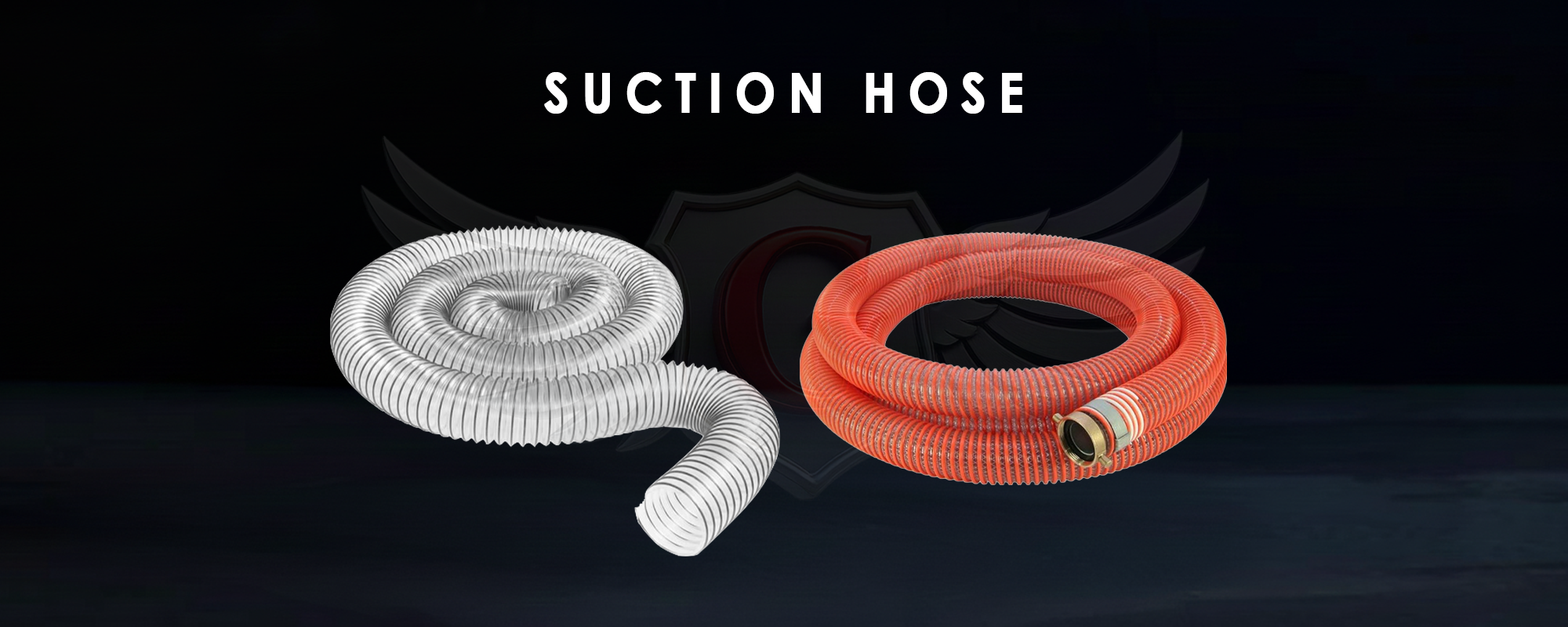
A "Discharge Only" hose is soft-walled and will collapse if you try to suck with it. An **S&D** hose has a rigid steel or plastic **helix** wire embedded in the wall. This helix gives the hose a round shape and allows it to withstand a vacuum, making it perfect for sucking fuel *out* of a tank (like on a tank truck).
Don't compromise on safety or compliance. Contact the Glory team today for a professionally built, safely bonded, and certified hose assembly for your specific fuel or oil application.
Request a Quote Now